

Toronto’s residential construction boom has attracted framing crews from across the province. While competition is healthy for pricing, it creates a challenge for homeowners: How do you separate a legitimate, high-quality framing contractor from a crew that will cut corners and cause delays? Unlike a plumber or electrician, framers don’t require a specific provincial license beyond general business registration. This means the burden of vetting falls entirely on you, the homeowner or general contractor. Hiring the wrong framing crew doesn’t just mean a crooked wall; it means a cascade of problems for every trade that follows. Here’s what actually matters when evaluating the best framing contractors in the Toronto/GTA market.
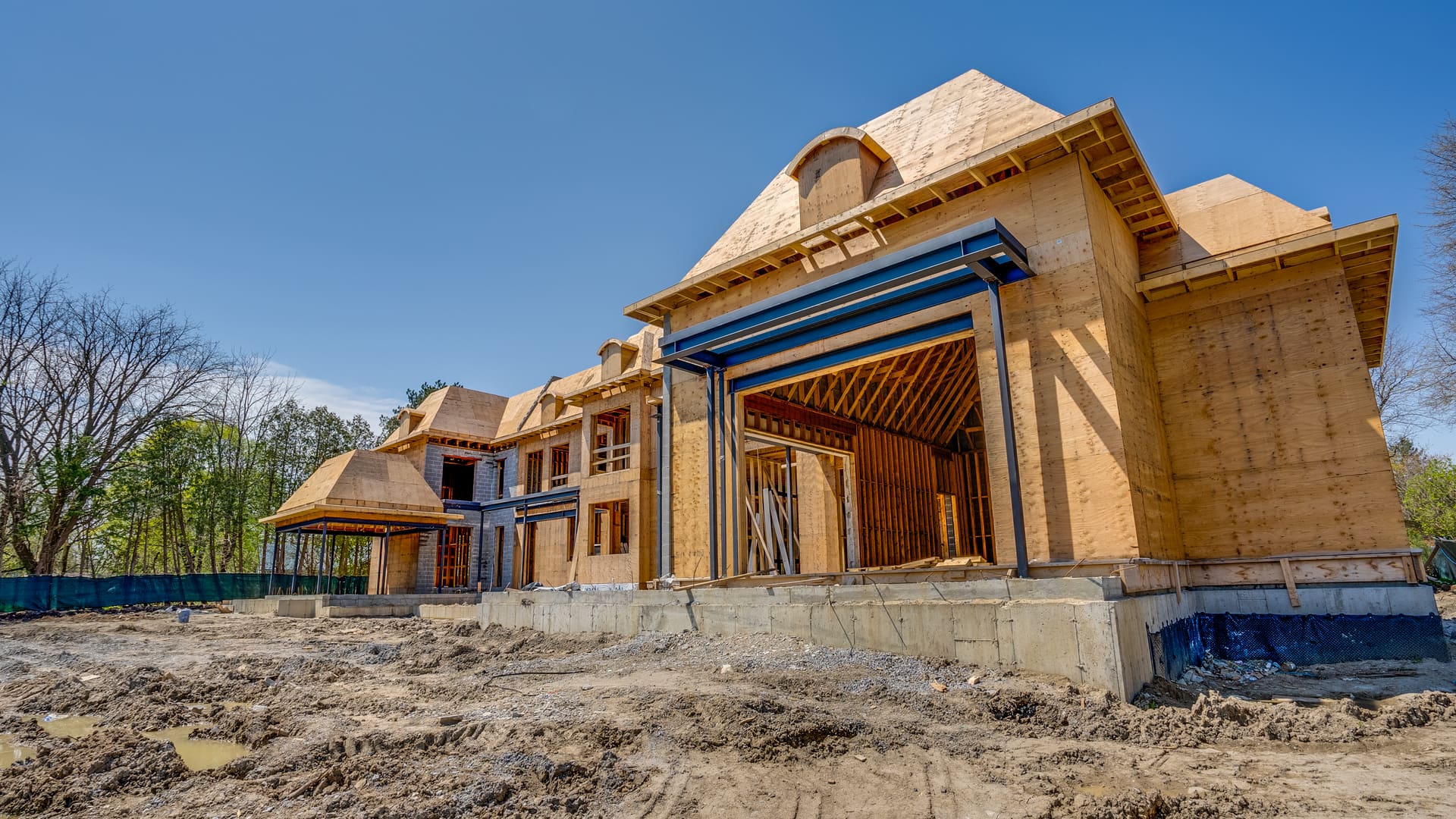
1. Deep Knowledge of the Ontario Building Code (Not Just “Experience”)
Many framers have “20 years of experience” but that experience might be from a jurisdiction with different seismic, wind, or energy requirements. The Ontario Building Code (OBC) is specific, and Toronto Amendments add another layer.
What to look for: Ask a specific question like, “What’s the required fire blocking detail at the floor line for a balloon-framed house?” or “How do you detail a squash block under a point load on an I-joist?” The best framing contractors in Toronto can answer these questions immediately because they pass inspections daily.
🚩 Red Flag: Vague answers like “We’ve always done it this way” or “The inspector never checks that.”
2. Portfolio of Local, Similar-Scale Projects
Framing a 3,000 sq. ft. custom home in Forest Hill with complex roof lines is a completely different skillset than framing a simple rectangular addition in Scarborough.
What to look for: Ask for photos of projects in Toronto specifically, not just any house. Look for addresses or neighborhood names you recognize (The Beaches, Rosedale, Etobicoke). This proves they understand local challenges like tight lot access, heritage restrictions, and Toronto Building Division inspectors.
🚩 Red Flag: A portfolio filled only with suburban tract housing from outside the GTA or stock photos of framing.
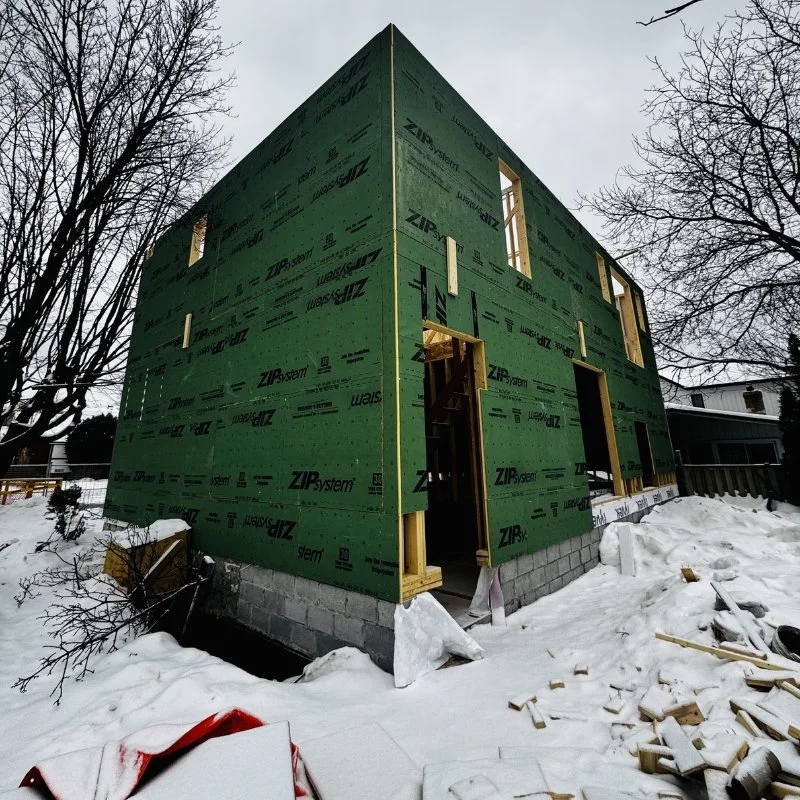
3. Winter Building Capability
Toronto’s building season is year-round. If a framing contractor shuts down from December to March, they aren’t equipped to handle the GTA market’s demands.
What to look for: Ask “What is your protocol for winter framing?” The best framing contractors in Toronto will mention temporary enclosures, heated hoarding, winter-grade adhesives, and moisture management plans.
Why it matters: A contractor who frames poorly in winter can trap moisture in your walls, leading to mold before you even move in. Hi Quality Homes maintains active winter crews and has specific cold-weather framing procedures to keep projects on schedule without compromising the building envelope.
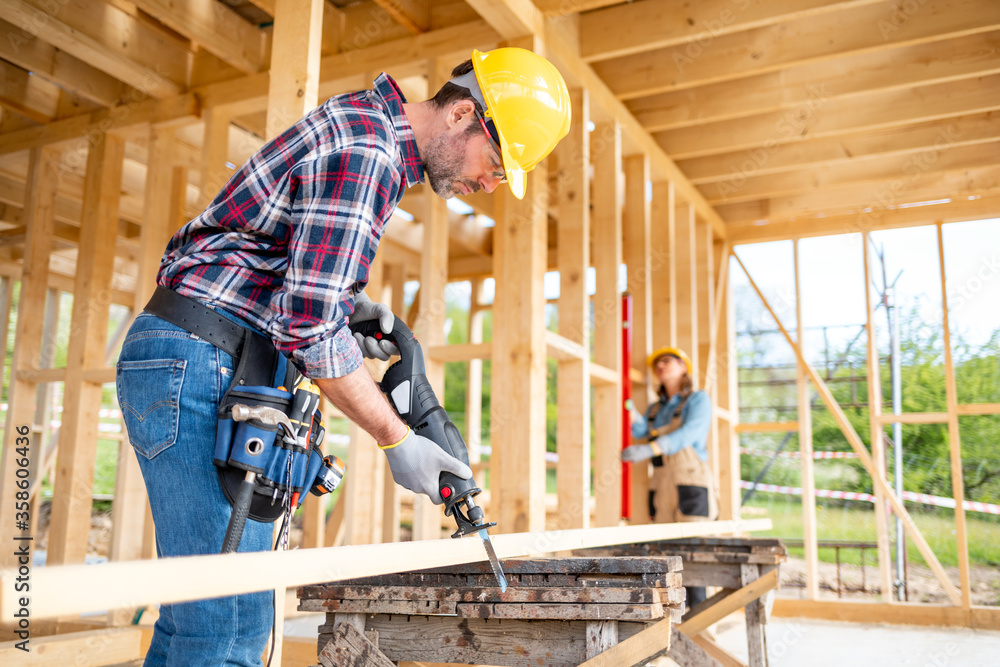
4. In-House Crew vs. Subcontracted Day Labor
This is perhaps the biggest differentiator between premium framing contractors and low-bid operations.
| In-House Crew | Subcontracted/Day Labor |
|---|---|
| Employed directly by the contractor | Hired per project (often cash) |
| Knows company quality standards | Inconsistent quality |
| Accountable to one boss | No continuity if issues arise |
What to look for: Ask “Are the framers your employees or subcontractors?” Hi Quality Homes maintains a dedicated in-house crew specifically for GTA projects, ensuring consistent quality and accountability.
5. Insurance and WSIB Clearance (Non-Negotiable)
In Ontario, if a worker is injured on your property and the contractor doesn’t have WSIB (Workplace Safety and Insurance Board) coverage, you, the homeowner, can be held liable for their medical costs and lost wages.
What to look for: Demand a WSIB Clearance Certificate and a Certificate of Insurance naming you as an additional insured. Any legitimate framing contractor in Toronto will provide these without hesitation.
🚩 Red Flag: Excuses like “My guys are independent contractors” or “We’ll get that to you after we start.”
6. Transparent Pricing and Change Order Process
The best framing contractors in Toronto provide detailed, line-item estimates, not a single lump sum number on a napkin.
What to look for: A quote should break down:
- Material costs (lumber package, engineered beams, hardware)
- Labor for each phase (floor, walls, roof)
- Equipment (crane rental if needed)
- Waste disposal
Change Orders: Ask “How do you handle changes once framing starts?” A professional contractor has a clear, written change order process. Changes made after framing begins are expensive; a good contractor helps you understand the cost implication before you commit.
7. Communication and Sub-Trade Coordination
Framing is the backbone of the construction schedule. The framer’s ability to communicate with the foundation crew, the HVAC installer, and the plumber dictates whether your project finishes on time.
What to look for: Does the contractor return calls/emails within 24 hours? Do they speak in clear terms, not just construction jargon? A contractor who is hard to reach before they get the job will be impossible to reach during the job.
The Hi Quality Homes Difference
We built our reputation in Toronto by meeting all seven of these criteria consistently. We don’t just show up and nail wood together. We engineer the skeleton of your home to withstand Toronto’s climate, pass inspections the first time, and provide a perfectly plumb and level foundation for all finish work.
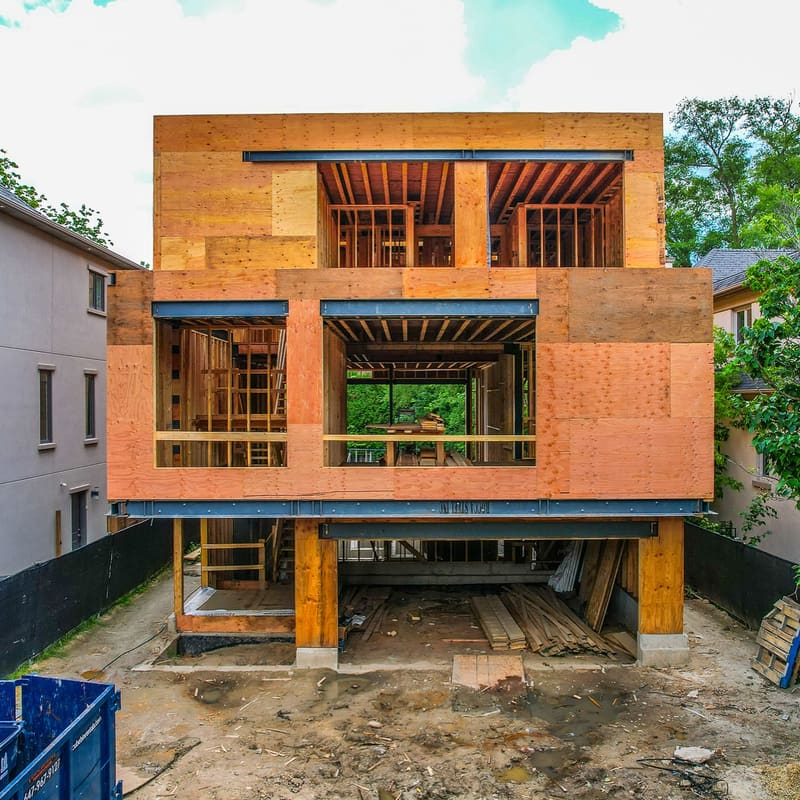
Ready to work with one of the best framing contractors in Toronto who meets the highest standards in the GTA? Contact Hi Quality Homes for a free estimate and portfolio review.