

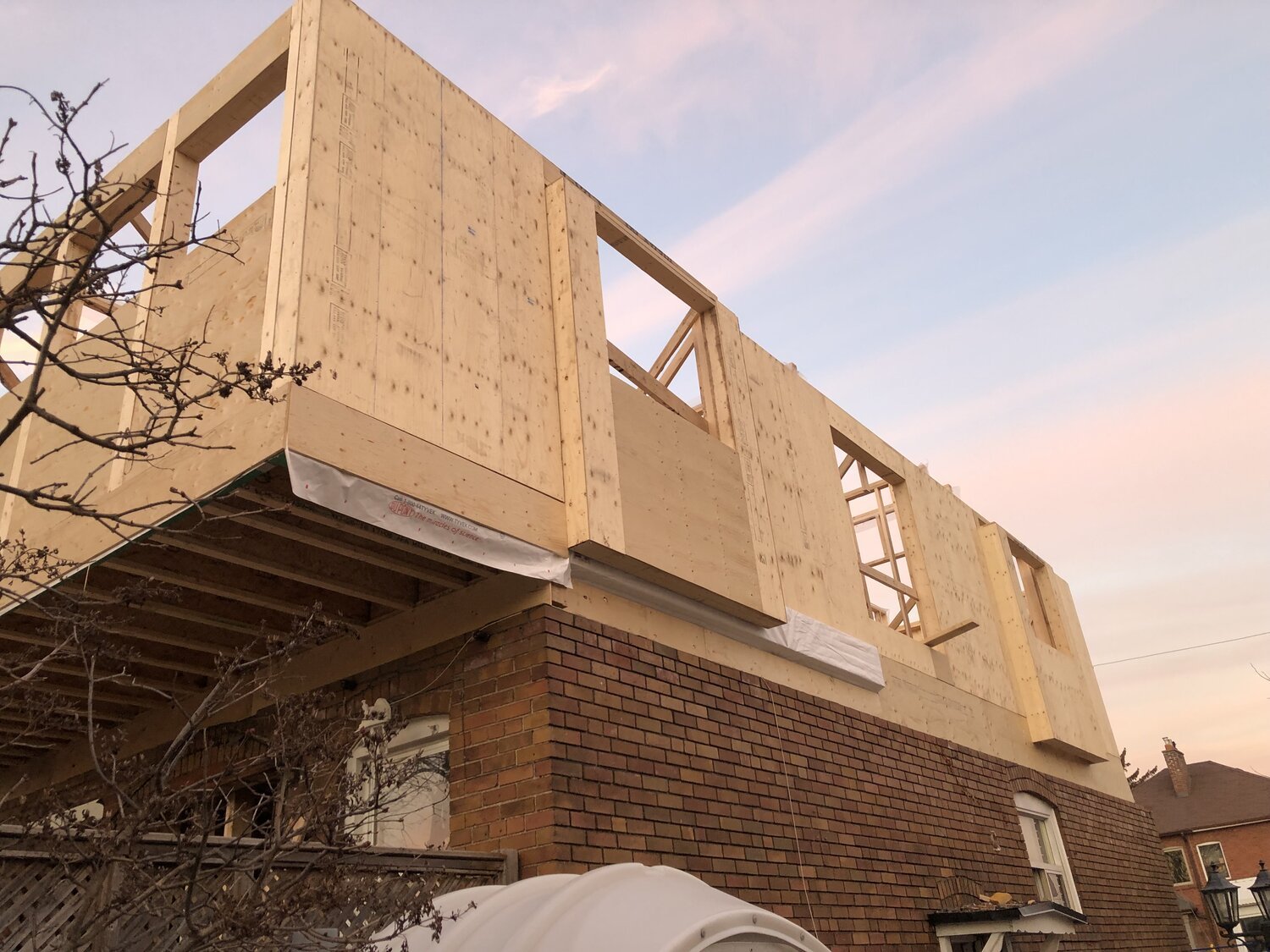
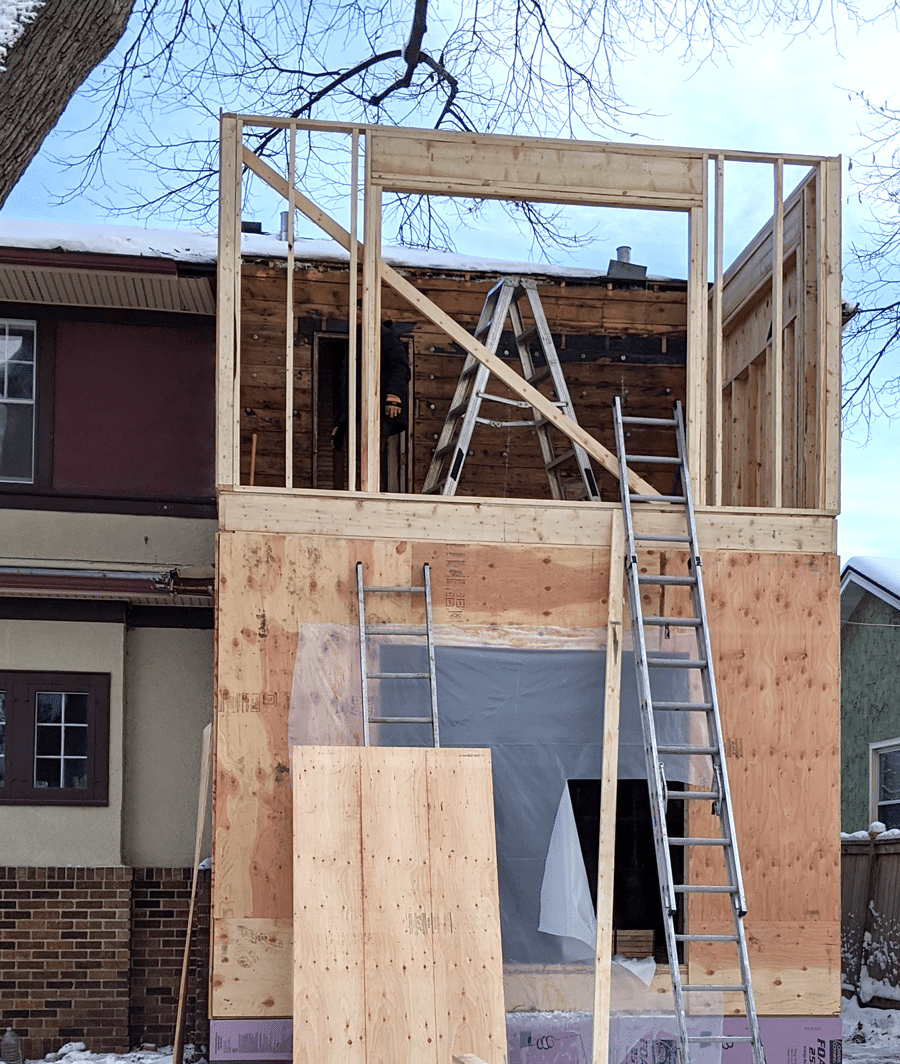
When your family outgrows your Toronto home but you love your neighborhood, a second-story addition is often the smartest solution. Unlike moving to a larger house, building upward allows you to stay on the same lot, keep your mature trees, and avoid the transaction costs of selling. However, second story addition framing Toronto projects present unique structural challenges that standard new construction simply doesn’t face. You aren’t building on a blank slate—you are surgically attaching a new structure to an old one.
At Hi Quality Homes, we have framed second-story additions across the GTA, from post-war bungalows in North York to Victorian semis in Parkdale. Each project requires a deep understanding of load transfer, foundation capacity, and the Ontario Building Code’s requirements for existing structure modification. Here is what homeowners need to know before the first wall goes up.
The Foundation Question: Can Your Basement Handle the Load?
This is the first question any competent framer should ask, yet it is often the last one considered. Your existing foundation was designed to support a single-story structure. Adding a second floor means doubling the dead load and increasing live loads from occupancy.
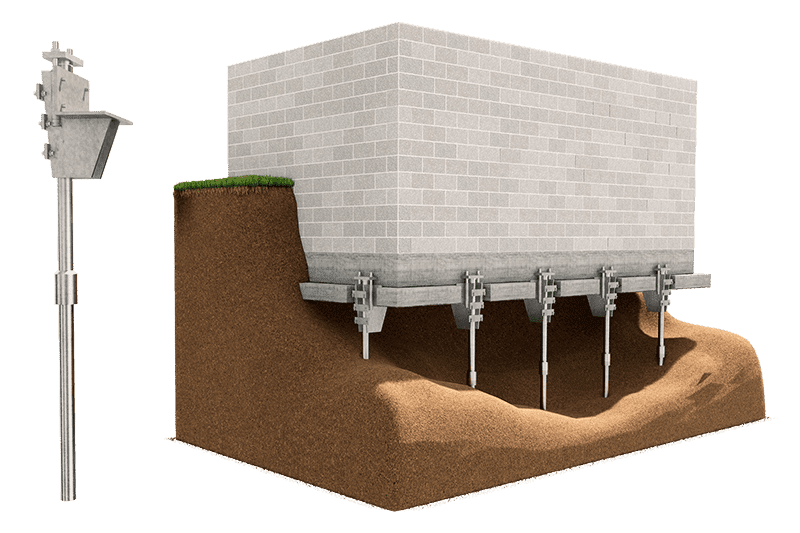
The Assessment: Before we frame a single wall, we review the existing foundation—footing width, wall thickness, concrete condition, and soil bearing capacity. In many Toronto homes built before 1960, footings are only 16 inches wide and may not meet current code for a two-story building. If the foundation is inadequate, underpinning or supplemental piers may be required before framing begins.
The Solution: We coordinate directly with structural engineers and foundation specialists to ensure the base can handle the new weight. In some cases, we install new interior footings beneath load-bearing walls to create a direct load path from the new second floor to undisturbed soil.
Integrating New Framing with Old Structure
The most technically demanding aspect of second story addition framing Toronto projects is the marriage of new platform framing with the existing house. Older Toronto homes may have balloon framing, irregular stud spacing, or sagging floor joists that don’t align with modern standards.
The Rim Board Connection: The new second-floor joists must connect to the existing structure via a properly sized rim board or ledger. This connection must resist both gravity loads and lateral forces from wind. We use engineered rim boards and heavy-duty hangers rather than simple face-nailing, which is a common shortcut that fails under load.
The Stair Opening: Cutting a stair opening through the existing first-floor ceiling requires temporary shoring of the joists, installation of trimmer and header joists, and verification that the remaining structure isn’t compromised. This is not a job for a general handyman.
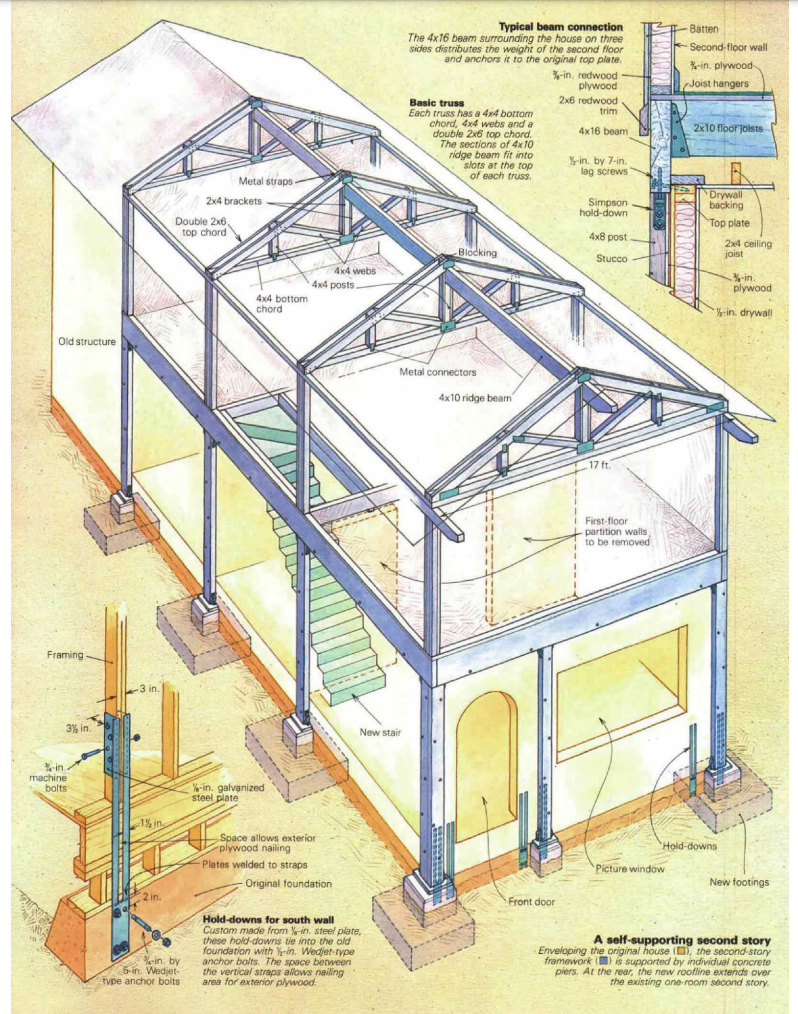
Fine Homebuilding’s classic “Adding Up” technical guide remains one of the best references for understanding the structural mechanics of second-story additions.
Managing Temporary Support During Construction
While the new second floor is being framed, the existing first-floor walls and foundation are carrying loads they were never designed for. Temporary shoring is essential to prevent collapse during the transition.
We use adjustable steel shores and Lally columns to create temporary load paths directly to the foundation. These supports remain in place until the new permanent structural elements—beams, posts, and sheathed walls—are fully installed and inspected. Removing temporary support too early is a catastrophic mistake that we have seen destroy existing homes.

Roof Tie-In and Weather Protection
Once the second floor is framed, the existing roof must be removed and a new roof structure tied in. This creates a vulnerable weather window. In Toronto’s climate, a sudden rainstorm during this phase can cause hundreds of thousands of dollars in water damage to the existing home.
Our protocol includes:
- Pre-staging tarps and temporary roof sheathing before any demolition begins.
- Scheduling the roof removal and re-framing during a favorable weather window when possible.
- Installing temporary waterproofing at the end of each workday until permanent roofing is complete.
Code Compliance for Existing Structures
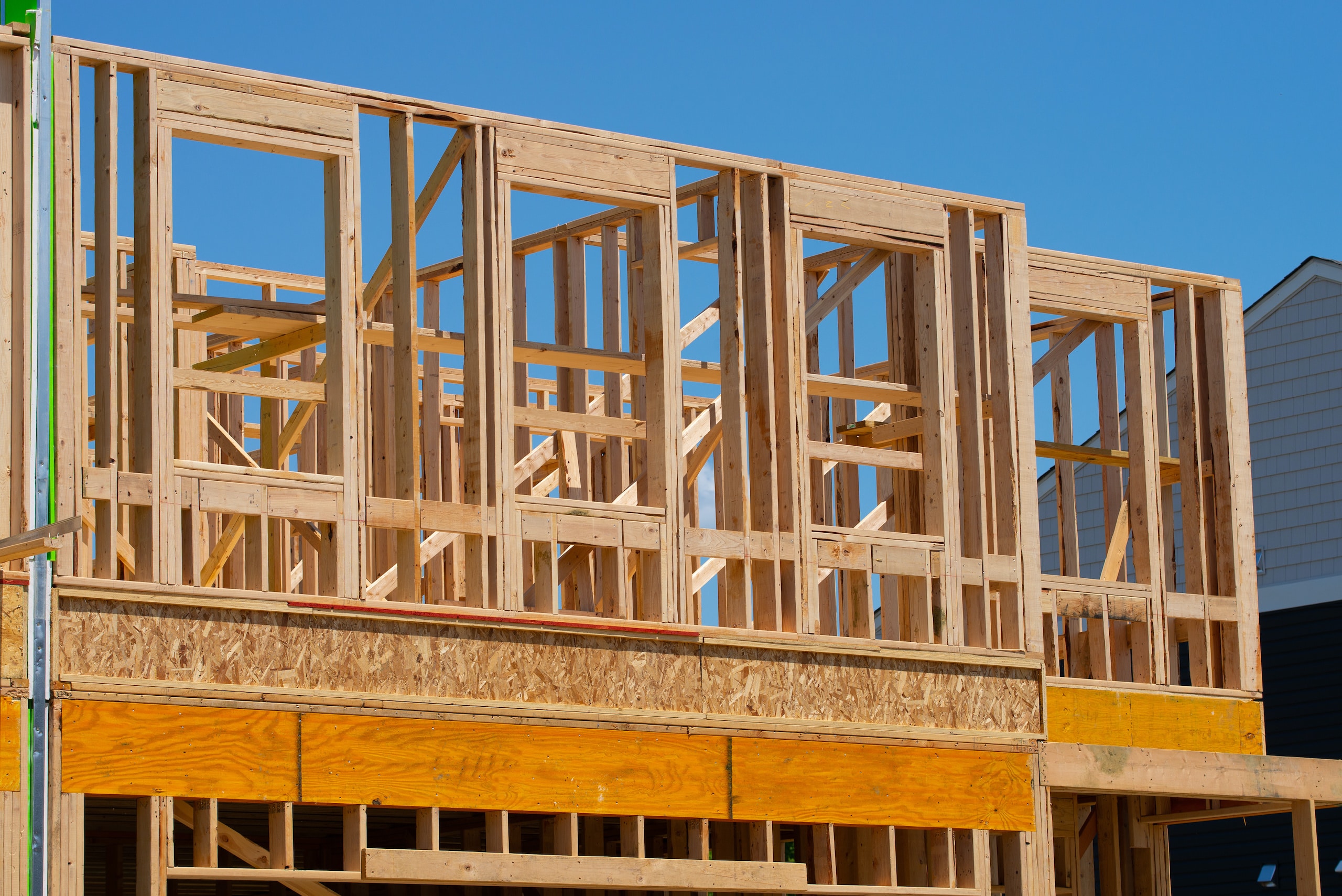
The Ontario Building Code treats additions differently from new builds. When you add a second story, the existing structure must often be upgraded to meet current standards. This may include:
- Upgrading existing smoke alarms to interconnected hardwired systems.
- Installing egress windows in basement bedrooms if they now serve as escape routes from the second floor.
- Verifying that existing stair widths and headroom meet current minimums.
We work with your designer and the city inspector to ensure that the second story addition framing Toronto project meets not just the new construction portions, but the existing home upgrades as well.
Why Experience Matters
Second-story additions are unforgiving. A mistake in the structural connection between old and new cannot be hidden with trim or paint. It will manifest as cracked drywall, sloping floors, or—in the worst case—structural failure. Hi Quality Homes brings specialized experience in addition framing, ensuring that your expanded home is as solid as if it had been built as a single structure from day one.
Considering a second-story addition in Toronto? Contact Hi Quality Homes for a structural feasibility assessment and framing estimate.